Coastal Loss Series, Part Three: The Role of Diversions in Rebuilding the Coast

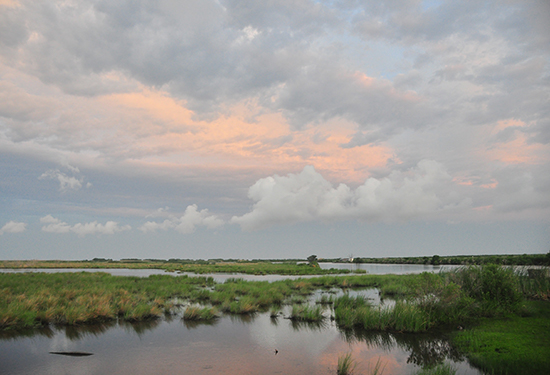
This is the third of a four part series focused on Coastal Loss and presented by the NOTG Conservation Committee. Diversions are a large part of Louisiana's Comprehensive Master Plan for a Sustainable Coast and one of the most effective options for enhancing long-term sustainability of existing wetlands. Many of our waterways have been controlled and redirected, curtailing their historic patterns of overflow, natural course changes, and flooding—and thus restricting their ability to distribute sediment over the coastal plain. Diverting the flow of fresh water through coastal areas can build new land while effectively combatting saltwater intrusion. Diversions mimic the natural river process of depositing nutrients into wetlands. Why pay to mechanically move sediment when the river will do it for us naturally? Unfortunately, diversions do come with some trade-offs. It's not a fast fix. It can take decades before the slow process of land building gives coastal communities any appreciable storm protection. In the short term, abrupt changes to salinity will impact fisheries, especially oyster fisheries. The influx of excess nutrients may weaken root systems of marsh plants and facilitate the spread of invasive species like Water Hyacinth and Giant Salvinia, and there is the possibility of increased flood risk to coastal communities. Finally, while salt marshes can take some fresh water, fresh water wetlands cannot take salt water without sustaining damage. Fresh marsh systems are susceptible to salt damage when low river levels keep diversions from flowing as happens in late summer and fall. What do you think? Are the trade-offs and potential risks of diversion programs worth the value they have in rebuilding land in coastal areas? The benefits are the risks are both real, and our vanishing coast may hang in the balance.

A Visit to the Annual Green Café Pop-up

Catherine and Karin visited the Edible Schoolyard at Samuel Green Charter School and enjoyed lunch in the annual Green Café pop-up with delicious food planned, prepared, and served by Green students. Everything looked great in the garden and on the plate! Bon Appetit!

And the Medal Goes to….

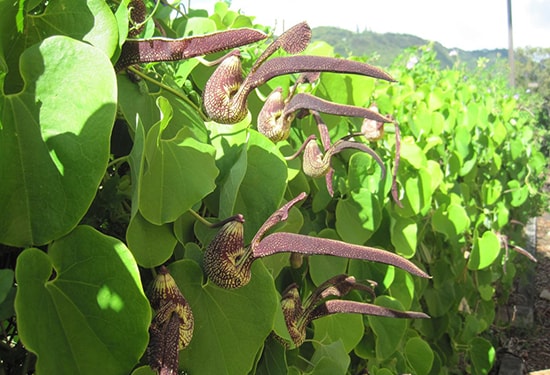
Aristolochia macrophylla (Dutchman's Pipe) has been chosen as the 2019 Freeman Medal WINNER. There were 22 submissions for the 2019 award. One panelist noted, "If we are trying to encourage people to pay attention to nature and become in awe of it, this is a good 'gateway drug' plant.” The panel agreed that Dutchman’s Pipe is an underused plant. Its role as a host plant for the Pipevine Swallowtail butterfly “sealed the deal.” This annual GCA Horticulture Award was established by Judy and Louis Freeman in honor of New Orleans Town Gardener Montine McDaniel Freeman. The award considers native North American plants that deserve wider recognition and distribution. Being awarded a Freeman medal ensures interest and wider planting of the species.

Coastal Loss Series, Part Two: Nutria – How an introduced species can affect a habitat

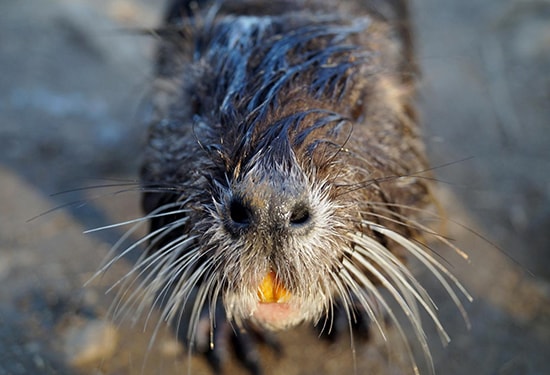
This is the second of a four part series focused on Coastal Loss and presented by the NOTG Conservation Committee. We often talk about the damage that invasive, non-native plant species can do to our environment. Louisiana’s coastline has been affected detrimentally by a particular non-native mammal, the nutria, who does his damage by feasting on the roots and grasses that hold together Louisiana’s marshland. Nutria were introduced to Louisiana from South America in the 1930s to bolster the fur industry. It wasn’t long before they escaped or were released. The habitat here suited them well, but they became an agricultural nuisance to rice and sugarcane farmers as early as the ‘40s and ‘50s. They were also blamed by the trapping industry for a decline in populations of the native muskrat. In the 1960s, the Louisiana Department of Wildlife and Fisheries led a cooperative effort to market nutria fur. By the late 1970s, the price per pelt was peaking. Nearly 2 million pelts per year were being harvested. Damage to crops declined, and muskrats began to recover. In the 1980s, demand for fur declined abruptly, mostly due to the anti-fur movement. The price per pelt shrank to near nothing so trappers lost their economic incentive, and the nutria rapidly became a nuisance again. This time it wasn’t so much the crops, but rather coastal marshes, that suffered. Nutria are well-adapted for the semi-aquatic environment of south Louisiana. Their highly-placed eyes, ears, and nose stay above water when they swim, and the female’s teats are on her back allowing her young to float while nursing. Nutria breed prolifically, producing two litters per year, and young are born fully furred and ready to eat vegetation within hours of birth. The population peaked in late 90's and nutria were killing marshes through over grazing or "eat outs.” By early 2000, nutria were destroying 90,000-100,000 acres yearly. In 2002 the State began a monitoring and bounty program, Coastwide Nutria Control Program (CNCP), which today pays $5/per tail. 350,000 nutrias are removed from the coastal zone annually and coastal damage is down to 10,000 acres yearly thanks to the program. Nutria Facts and Figures SCIENTIFIC NAME: Myocastor coypus TYPE: Mammals DIET: Omnivores GROUP NAME: Colony AVERAGE LIFE SPAN IN THE WILD: 8 to 10 years SIZE: Head and body, 17 to 25 in; tail, 10 to 16 in WEIGHT: 15 to 22 lbs

Join the Parade! Recycle on the Route!

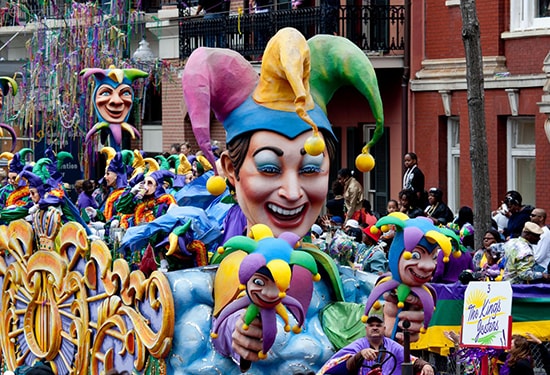
Did you know that the average amount of waste created during carnival season is 900,000 TONS? Last year, in partnership with Arc of Greater New Orleans, volunteers from YLC Recycles (a project of the Young Leadership Council) launched a pilot program called the Mardi Gras Recycling Initiative. During 1 day of parades, 10,000 aluminum cans, 2,000 plastic bottles, and more than 2,500 lbs of beads were collected along the route for recycling and reuse.

Armchair Travel Guide for Gardeners

Cherished are winter days curled up with a good book, and cherished too are winter nights curled up with the remote and a “binge worthy” program or movie. Your faithful Compost Heap editor recommends the following for chilly nights ahead. Monty Don’s French Gardens Netflix British television host Monty Don leads a tour of France’s gardens and gardening history. From Le Notre’s formal parterres at Vaux le Vicomte and Versailles to the artistic gardens at Giverny, this is a feast for the senses and a celebration of France’s love affair with gardens through history. P. Allen Smith’s Garden to Home, Garden Style, and Garden to Table www.pallensmith.com If you’ve been enchanted by Allen Smith’s gardening and lifestyle programs on PBS, you may be delighted to find that you can access any of them via YouTube, Roku, Amazon Prime Video or Apple TV. Visit his website to learn more. The National Parks: America’s Best Idea PBS, Netflix, Amazon Prime Video This six-episode series by acclaimed filmmaker Ken Burns chronicles the story of our national parks. It is a treasure. You can purchase specific episodes or the entire series on Amazon Video. PBS supporters can stream from www.pbs.org, and you may find the series on streaming services where it appears from time to time.

City Park Tree Projects Made Possible by the 2018 Hat Luncheon

Half of the proceeds of the 2018 Hat Luncheon went to City Park, and many of the funded projects have been completed. In addition to planting twenty 30-gallon Live Oak trees, City Park has used Hat Luncheon funding to complete much needed tree removal and pruning of vines, palms, and water oaks in several areas of the park, including the Great Lawn, the Boat House area, and the island across from the Peristyle. Poor drainage threatens the health of some of the park’s oaks, and upcoming projects include drainage improvement at the festival grounds and near Big Lake to maintain live oak health. Visit City Park and take a look around—you made a difference there by participating in the 2018 Luncheon—and there is more to do in 2019!

Get Those Bulbs in the Ground!

The next few weeks are an important time for planting tulips, hyacinths and other bulbs that have been taking up room in your refrigerator. Best results are usually obtained when prechilled tulip and hyacinth bulbs are planted into the garden in late December or early January as the soil may stay relatively warm until late December. Planting these pre-chilled bulbs in a soil that is still too warm can cancel the chilling process and lead to the bulbs blooming poorly. Also, bulbs planted earlier bloom earlier – as early as February – and the weather is so unsettled at that time that the flowers may be more likely to be ruined by freezes and storms. Tulips and hyacinths planted over the next few weeks generally bloom in March and early April when the weather is more likely to be favorable. Plant tulip and hyacinth bulbs in sunny to partly shaded areas that have good drainage. The bulbs should be planted into well-prepared beds that have been generously amended with organic matter and a light application of general-purpose fertilizer. Here in Louisiana we generally do not plant spring-flowering bulbs as deeply as is recommended for areas farther north. Tulips and hyacinths are planted about 5 inches deep, spaced about 3 or 4 inches apart. Happy Planting!

Coastal Loss Series, Part One: How does coastal erosion happen?

This is the first of a four part series focused on Coastal Loss and presented by the NOTG Conservation Committee. A coastline—any coastline—depends on the interplay of water and land. In coastal wetlands, vegetation also plays a role. The earth, or soil, depends on the plants that depend on it—as when the roots of wetland trees or grasses hold together sediments and soil fed by fresh water. When saltwater replaces fresh, native trees and grasses cannot survive. When they go, so go their root systems and the sediments and soils they held, washed away to the Gulf. Many causes of coastal erosion are related to saltwater intrusion made possible by canals and “improvements” made to facilitate navigation combined with other improvements that cut off the flow of freshwater through the wetlands. Causes of coastal loss include: Subsidence/compaction-a natural process but in nature a river would constantly add sediment back to the land mass Hydrologic modification-building canals, roads, and railroads which cut off fresh water Canals cut for cypress logging and then later for oil and gas extraction in the late 70’s Straightening rivers and bayous for navigation, making saltwater intrusion easier Sea level rise Wave erosion causing shoreline retreat Nutria herbivory

Holiday Tips from the Conservation Committee

From Thanksgiving to New Years Day, household waste increases by 25%, so here are tips to make this the most wonderful—not wasteful—time of the year. Use reusable bags when grocery shopping Give a gift of charity/donation rather than a material item Give a gift of an experience (show tickets, massage....) Shop local businesses to avoid the extra energy, packaging, and shipping cost that goes into ordering online from a large retailer. Consider an E-Christmas card Use LED/Solar/energy efficient lights to decorate outdoors Don't leave Christmas tree lights on all day - use a timer Use sustainable/recyclable gift wrap - butcher paper and twine! Recycle ribbons, bows, and wrapping paper or use treasures from nature to decorate your holiday packages Reuse shipping boxes Buy rechargeable batteries for gifts that require batteries Avoid using disposable plates/utensils at holiday gatherings Show party guests where your recycle bin is for beverage cans, etc... Donate your leftovers to a homeless shelter Burn clean beeswax or soy candles And after it’s all over, be sure to put your tree out for pick up for coastal restoration reuse!